
Ghazi Plaster Sand is a naturally fine river sand from the Ghazi–Tarbela region of Khyber Pakhtunkhwa, graded for smooth plastering and wall-finishing work. This guide explains where it comes from, what it is used for, how to check its quality, and how bulk delivery works.
Material quality decides the strength and appearance of your walls, so contractors, engineers and builders usually check grading and cleanliness before booking several truckloads. Ghazi Sand Supply Company has supplied this sand since 2015 to developers, homeowners and project managers across Islamabad, Rawalpindi, Taxila, Wah Cantt, Haripur and surrounding areas.
Written by Kamran Shahid, CEO of Dhurnal Enterprises, who has 11 years of hands-on experience in the sand-supply and construction-material industry. Updated October 8, 2026.
Ghazi Plaster Sand at a glance
| Product | Ghazi Plaster Sand |
| Source region | Ghazi–Tarbela region, Khyber Pakhtunkhwa |
| Primary application | Plastering and wall finishing |
| Texture | Fine grade |
| Appearance | Light grey |
| Supplier | Ghazi Sand Supply Company, established 2015 |
| Quality information | Sieve analysis and silt-test information available for tested samples |
| Delivery | Dumper and truck delivery arrangements |
| Main service areas | Islamabad, Rawalpindi, Taxila, Wah Cantt, Haripur, Hattar, Hassan Abdal and surrounding areas |
What is Ghazi Plaster Sand?
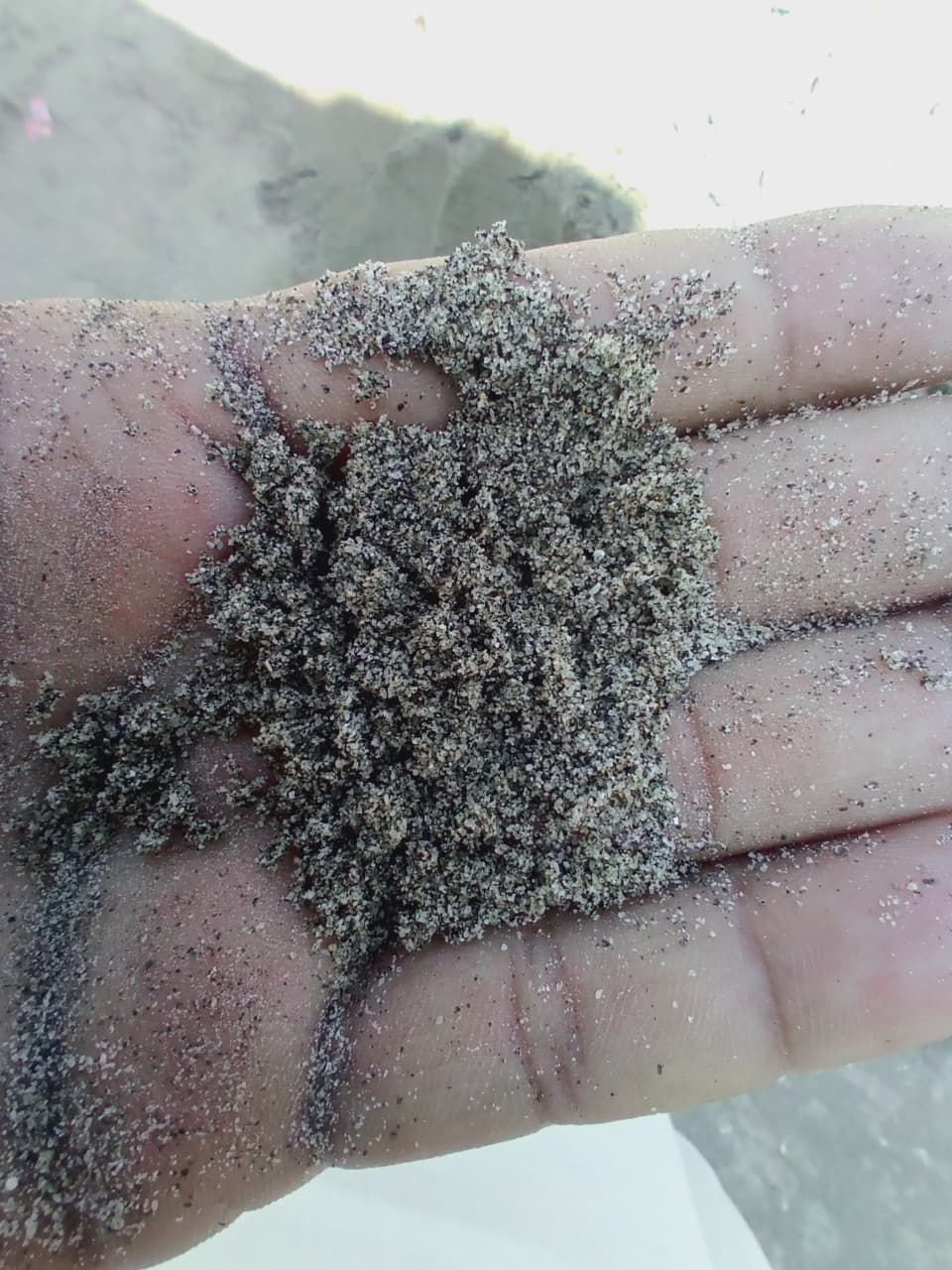
It is a naturally occurring fine sand from the Ghazi–Tarbela region near the Indus River in Khyber Pakhtunkhwa, Pakistan. It is supplied specifically for plastering and wall-finishing in residential and commercial projects.
Available sieve-analysis results indicate a fine grading: in the tested material, 100% passed the 24-mesh sieve and 97% passed the 30-mesh sieve. Results can vary by sample, so project teams can request the available laboratory report before placing a bulk order. As with any construction material, suitability should be judged against the requirements of the specific project.
Where does Ghazi sand come from?
It comes from the Ghazi–Tarbela region near Tarbela Dam in District Haripur, Khyber Pakhtunkhwa, Pakistan. Ghazi Sand Supply Company arranges supply from the Ghazi Sand Mine source area and coordinates transport from the source to the customer’s site. Rather than selling generic construction sand, the company specialises in this one material for plastering and wall finishing. For directions and distances, see Where is Ghazi Sand Mine?
What is Ghazi sand used for?
- Interior wall plastering
- Exterior wall plastering
- Ceiling plastering
- Wall finishing
- Residential, commercial and institutional plastering work
- Renovation and repair work
The correct mix, thickness, preparation and application method depend on the project. For major work, check material selection against the project specification and the advice of the responsible engineer.
What Ghazi plaster sand is not intended for
The company does not present it as a general-purpose material for concrete, structural work or every type of construction. If a project needs sand for another application, select it according to the project specification rather than assuming plaster sand will do.
What to look for in plaster sand
Look past the supplier’s sales pitch and check the material yourself. Contractors usually look at three things before mixing a batch.
1. Fine, consistent grading
Plaster sand needs a tight, uniform grain size to spread smoothly. A sieve analysis shows how particle sizes are distributed. If the grading matches your specification, the mortar works easily under the trowel without extra water.
2. Silt level
Too much silt or clay causes weak bonding, surface flaking and cracks as the plaster dries. In our laboratory tests, Ghazi Plaster Sand silt content has been below 2%. We encourage your engineers to review our latest dated lab sheets or run on-site tests before scheduling bulk deliveries.
3. Site cleanliness and visual checks
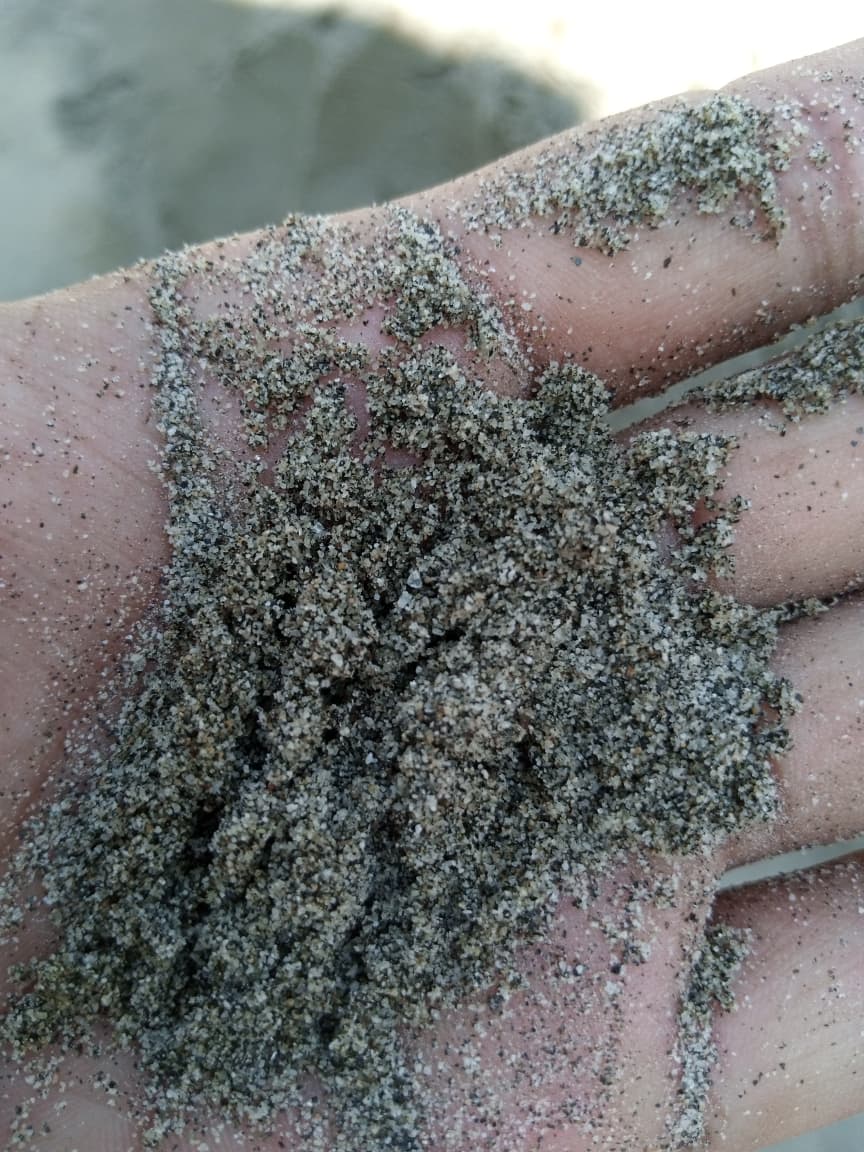
A visual check never replaces laboratory testing, but it is your first line of defence when a truck arrives. Look for roots, organic matter or clay balls. On larger sites, keep an approved sample in the office to compare against every arriving load.
How is Ghazi Plaster Sand tested?
Sieve analysis
A representative sample is passed through specified sieves and the amount retained and passing at each size is recorded. The percentages show the grading of the tested material. For Ghazi Plaster Sand, available test information has shown 100% passing the 24-mesh sieve and 97% passing the 30-mesh sieve. These are results for the relevant sample, to be read together with the full laboratory report and your project’s requirements.
Silt testing
Silt and clay absorb extra water, so plaster shrinks and cracks as it dries. Our laboratory results have consistently shown silt content below 2%, but these figures are sample-specific, not a fixed specification for every truckload. For documented approval, review the applicable dated laboratory report. Our lab report and sieve analysis guide explains how to read one.
Laboratory reports and on-site verification
Engineers, consultants and project managers usually want verified material data before approving a bulk order. Laboratory test reports covering sieve analysis and silt testing are available on request. You are also welcome to visit the mine site to inspect the material and run tests before scheduling deliveries.
Can customers inspect Ghazi sand before delivery?
Yes, and we encourage it. Getting the material approved at the source saves time and avoids delays.
- On-site inspection: your representatives can visit the mine or office, look at the sand, take samples or run sieve and silt tests.
- Lab data: if your project needs documentation, we can provide our latest laboratory test reports before you order.
What to check before unloading a delivery
- Identity: confirm the load is fine-grade Ghazi Plaster Sand, not a generic concrete sand or a substitute.
- Appearance: the light grey colour and fine, uniform texture should match your approved sample.
- Debris: look for roots, organic matter, clay lumps or transit debris.
- Volume: check that the vehicle capacity matches the CFT or dumper size on your invoice.
- Paperwork: file the dated laboratory reports and delivery receipts if your project needs strict quality control.
- Site logs: on larger projects, record the delivery time, vehicle registration and material approval.
Why does the delivered price of Ghazi sand vary?
Because the final price depends heavily on transport. The “ex-mine” rate (the sand at the source) and the “delivered-to-site” rate are different things. The main factors are:
- Distance: bulk sand is heavy, so haulage is the biggest cost variable. A short run to Taxila or Wah Cantt costs less than hauling to central Rawalpindi or Islamabad.
- Fuel prices: diesel rates feed directly into freight and therefore the delivered per-CFT rate.
- Order size and vehicle: large dumpers suit big projects but need wide roads. Tight residential streets may need smaller vehicles and more trips.
- Route restrictions: city entry rules, traffic and daytime dumper bans can change the logistics.
Bulk supply and delivery
Ghazi Sand Supply Company arranges bulk deliveries using dumpers and trucks according to your requirements, whether the project is a single house or a commercial development. Delivery is scheduled around the quantity and location. See the delivery areas page for the areas we serve.
Get a direct quote
Because fuel costs and truck availability change, we quote for each order. Contact the team with your exact site location (or a map pin) and the quantity you need, in CFT or number of dumpers.
Why work with Ghazi Sand Supply Company?
- One specialised product. We supply Ghazi Plaster Sand from the Ghazi–Tarbela region rather than all-purpose construction sand.
- Testing information. Laboratory reports are available on request, and engineers can run sieve and silt tests at the mine or office before bulk orders are dispatched.
- Delivery coordination. We arrange transport, from large dumpers for big sites to smaller vehicles for tight plots.
- Direct communication. Check rates, confirm schedules or change quantities by phone or WhatsApp.
- Regional coverage. Dispatches to Islamabad, Rawalpindi, Taxila, Wah Cantt, Haripur, Hattar and Hassan Abdal.
Frequently asked questions
What is Ghazi Plaster Sand?
A fine sand from the Ghazi–Tarbela region of Khyber Pakhtunkhwa, supplied for plastering and wall-finishing.
Where does it come from?
From the Ghazi–Tarbela region near Tarbela Dam in District Haripur, Khyber Pakhtunkhwa, Pakistan.
What does Ghazi Sand Supply Company supply?
Ghazi Plaster Sand for interior, exterior and ceiling plastering and wall finishing.
Is Ghazi sand suitable for plastering?
It is supplied specifically for plastering and wall finishing. The responsible engineer should confirm suitability against the project specification.
How is its quality checked?
Through sieve analysis and silt-content testing. Available laboratory information can be requested, and inspection before bulk delivery can be arranged.
Can I request a laboratory test report?
Yes. Available laboratory reports and testing information can be requested from the company.
Do you provide bulk deliveries?
Yes, by dumper or truck according to quantity, location and schedule.
Which areas do you serve?
Islamabad, Rawalpindi, Taxila, Wah Cantt, Haripur, Hassan Abdal, Hattar and surrounding areas.
How can I request a quotation?
Call or WhatsApp with your quantity, delivery location and preferred schedule. The delivered rate is then confirmed for your order.
Summary
A good plaster finish comes down to choosing the right material: tight grading, low silt and consistent testing keep walls free of cracks and flaking. Since 2015, Ghazi Sand Supply Company has supplied Ghazi Plaster Sand from the Ghazi–Tarbela region, with dumper and truck deliveries coordinated to sites across Islamabad, Rawalpindi, Taxila, Wah Cantt, Haripur, Hattar and Hassan Abdal. To review lab reports, check current rates or schedule a delivery, contact us by phone or WhatsApp.
Need Ghazi plaster sand delivered to your site?
Send your site location and quantity on WhatsApp and we will reply with a quotation. You can also read about our products and services.